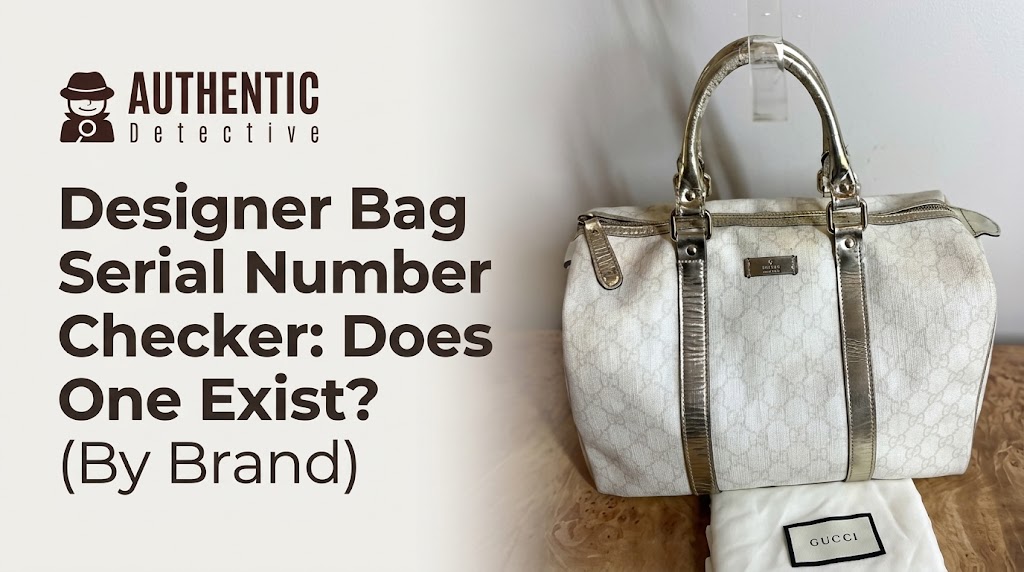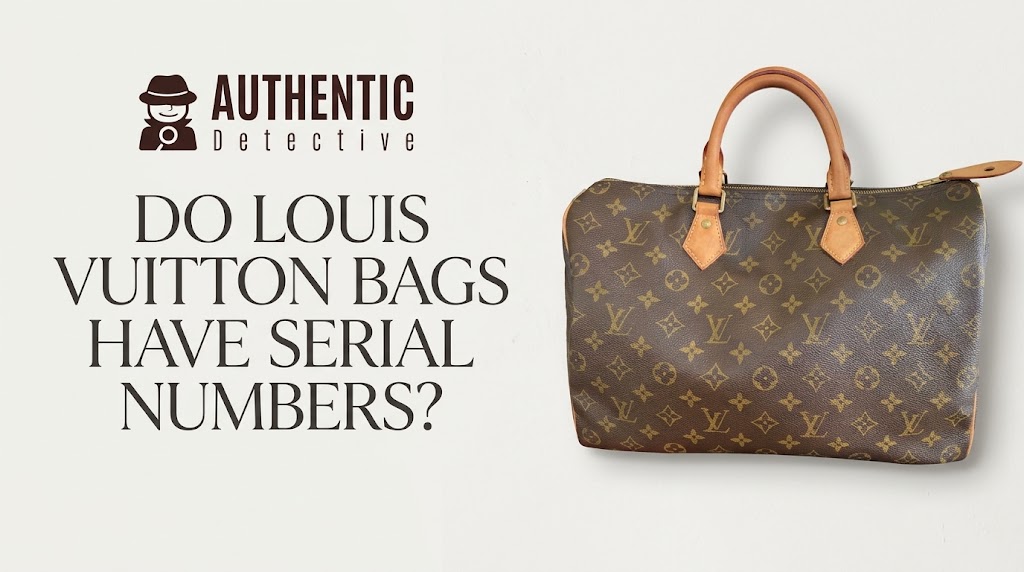
Buying a designer bag secondhand or from a third-party seller always comes with the same nagging question: is it real? Counterfeiters have gotten good enough that logos, boxes, and even dust bags no longer prove much on their own. The good news is that every authentic bag, regardless of brand, leaves the same kinds of clues behind — in its stitching, hardware, materials, and markings. Once you know where to look, you can catch most fakes in under five minutes.
Why “It Looks Right” Isn’t Enough
Photos on a resale listing can hide a lot. High-resolution counterfeits (“superfakes”) now replicate logo placement, box printing, and even authenticity cards. That’s why relying on packaging or a single photo is one of the most common ways buyers get fooled — genuine luxury houses put as much craftsmanship into what’s invisible on camera (stitch density, hardware weight, lining glue) as they do into what’s visible.
Treat authentication as a checklist, not a gut check. Here’s what to run through.
1. Stitching: Count It, Don’t Just Look at It
Authentic bags are sewn with consistent stitch length, even tension, and no loose threads or skipped stitches. Brands even have known stitch counts per inch — Chanel, for example, typically runs 9–10 stitches per inch, a precision counterfeiters rarely sustain across an entire bag.
What to check:
- Stitch spacing is identical from one seam to the next
- Thread color matches the leather exactly (no bleed or mismatch)
- Stress points — handles, corners, gussets — have reinforced double stitching
- No glue residue, fraying, or hanging threads anywhere on the interior
2. Hardware: Weight, Engraving, and Finish
Zippers, clasps, feet, and logo plates are one of the hardest things for counterfeiters to get exactly right, because it requires the same metal alloys and tooling the original factory uses.
What to check:
- Hardware feels heavy and solid, not hollow or light (tap it gently — cheap metal sounds tinny)
- Engravings are crisp and evenly deep, not shallow, blurry, or off-center
- Color is consistent inside and outside the bag, and resists tarnishing
- Zipper pulls move smoothly and carry the correct brand stamp (not just a generic pull, depending on the house)
3. Logos, Fonts, and Monogram Spacing
This is the first thing most buyers check — and the first thing counterfeiters have gotten better at faking. So look closer than the logo itself.
What to check:
- Font weight, kerning, and letter shape match verified brand references exactly
- Monogram or pattern repeats align at the seams (a canvas panel with a monogram cut off-center or unevenly spaced is a red flag)
- Embossed logos are actually pressed into the leather, not printed or glued on flat
- Logo placement matches the exact model — placement shifts by bag style and by year
4. Materials: Leather, Canvas, and Lining
Genuine leather has a distinct, slightly sweet smell and a supple, soft-but-structured feel. Fakes often use bonded or PU leather that feels stiff, plasticky, or has a strong chemical smell straight out of the box.
What to check:
- Leather flexes and creases naturally rather than cracking or feeling rigid
- Interior lining matches the brand’s known material (fabric, microfiber, or leather) and is consistent with authentic references
- No strong chemical or rubber odor
- Edge paint (the coloured edge finish on leather panels) is smooth and even, not thick, cracked, or bubbled
5. Serial Numbers and Date Codes
This is where authentication gets brand-specific, and it’s also where buyers make the most mistakes — because not every brand uses serial numbers the same way, and some barely use them at all.
- Chanel: Uses a serial sticker (and increasingly a hologram/QR authentication card on newer bags) usually inside a leather tab. Format and placement have changed multiple times over the decades, so the code has to match the era of the bag.
- Louis Vuitton: Uses a date code (2 letters + 4 numbers) stamped into the leather, not a serial sticker. LV rarely issues formal certificates of authenticity, so be wary of sellers who lean on paperwork instead of the bag itself.
- Gucci: Used interior date/serial code labels for years, but has shifted many styles to QR-linked digital ID tags since 2016 — the presence or absence of one should match the bag’s production period.
- Hermes: Uses blind stamps (a letter/number combo) indicating the production year and the artisan’s workshop, stamped near the interior seam.
Never trust a serial number or date code in isolation — sophisticated counterfeits now replicate these too. Use it as one data point among several, and check it against known formats for that specific model and year, not just the brand in general.
6. Packaging Isn’t Proof, But It’s a Clue
A complete box, dust bag, cards, and receipt are a good sign, but their absence doesn’t mean a bag is fake, and their presence doesn’t mean it’s real — packaging is the easiest thing for a counterfeiter to replicate well. Weigh it as supporting evidence, not a verdict.
7. Price and Seller Reputation
If a listing price is dramatically below resale market value for that model and condition, treat it as a warning sign before you even look at the bag itself. Buy from reputable consignment platforms or sellers with authentication history, and always ask for extra photos of the interior tag, stitching close-ups, and hardware stamps before purchasing.
Red Flags Checklist
Run through this quickly on any bag before you buy:
- Uneven, sparse, or inconsistent stitching
- Lightweight or dull hardware with shallow engraving
- Logo font, spacing, or placement that doesn’t match verified references
- Chemical smell or stiff, plastic-feeling material
- Serial number or date code format that doesn’t match the brand’s known system for that era
- Price far below market value with a vague or new seller history
If a bag trips more than one of these, don’t rely on visual inspection alone — get it professionally authenticated.
When to Get a Professional Authentication
Superfakes have gotten precise enough that even experienced buyers miss details a professional authenticator catches immediately — because authenticators compare against verified reference databases and see hundreds of the same model. If you’re buying a high-value bag secondhand, from an unfamiliar seller, or you’re just not 100% sure, it’s worth getting a second opinion before you commit.
Authentic Detective offers fast, expert authentication for designer bags, with results typically within 24 hours and a free Certificate of Authenticity for verified items. For brand-specific checks, see our dedicated guides:
- How to Authenticate a Chanel Bag
- How to Authenticate a Gucci Bag
- How to Authenticate a Louis Vuitton Bag
Frequently Asked Questions
Can I authenticate a designer bag from photos alone?
Sometimes, but it’s harder than an in-person or high-resolution photo inspection. Professional services typically ask for specific close-up angles — interior tag, stitching, hardware stamps, and serial/date code — because those details are what actually distinguish a superfake from the real thing.
Do all designer brands use serial numbers?
No. Louis Vuitton uses date codes rather than serial numbers, and doesn’t issue certificates of authenticity. Chanel, Gucci, and Hermes each use their own system, and the format has changed over time, so the code has to be checked against the specific era of the bag, not just the brand.
Is a receipt enough to prove a bag is authentic?
Not on its own. Receipts, boxes, and dust bags can all be reproduced or reused. They’re helpful supporting evidence, but they don’t replace a physical inspection of the bag’s materials, stitching, and hardware.
What’s the fastest way to confirm before I buy?
Get clear photos of the interior tag, a stitching close-up, and the hardware stamps, and compare them against verified brand references — or send them to a professional authentication service for a fast turnaround before you complete the purchase.