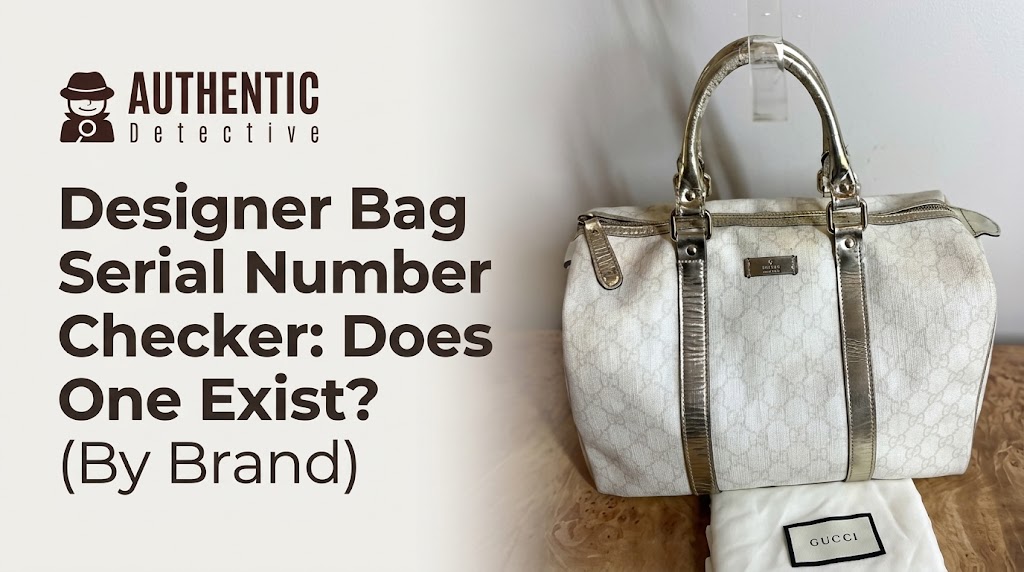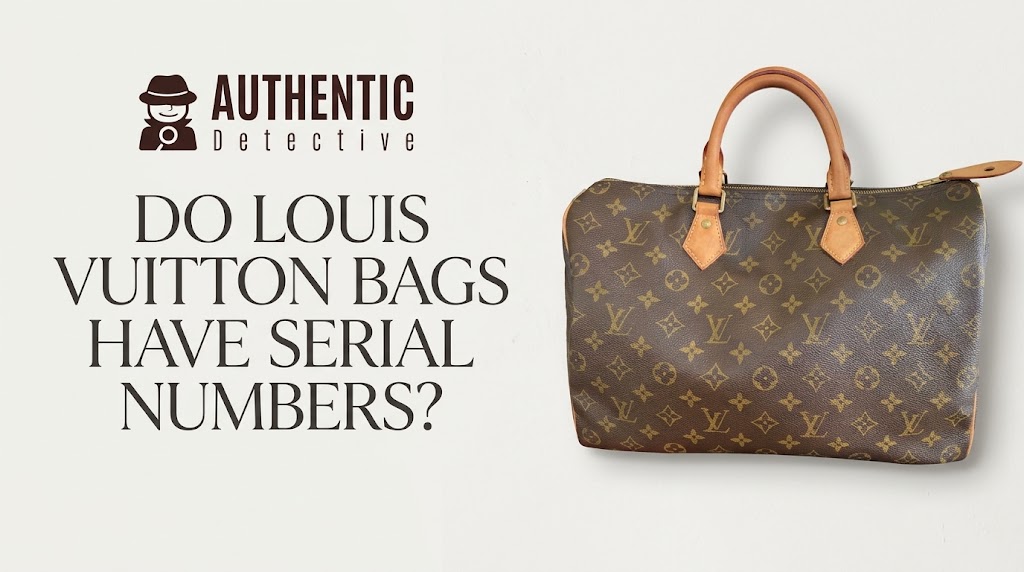
Professional authenticators check six things on every luxury bag: hardware (weight, finish, engraving), stitching (count, tension, technique), material (leather grain or canvas weave), logo and stamp accuracy, serial numbers or date codes, and packaging. No single check is enough on its own, a fake can nail one detail and fail the rest. Here’s what each step actually involves and why experts never rely on just one of them.
The Six-Point Checklist
Before going into detail, here’s the full process at a glance:
- Hardware: weight, finish, and engraving quality
- Stitching: count, tension, and technique
- Material: leather grain, canvas weave, and aging pattern
- Logo and stamps: font depth, spacing, and placement
- Serial numbers or date codes: brand-specific verification
- Packaging: dust bags, boxes, and care cards
Each one on its own can be replicated well by a good counterfeit. Together, they’re extremely hard to get all right, which is exactly why authenticators check all six rather than stopping at the first thing that looks correct.
Hardware: Weight, Finish, and Engraving
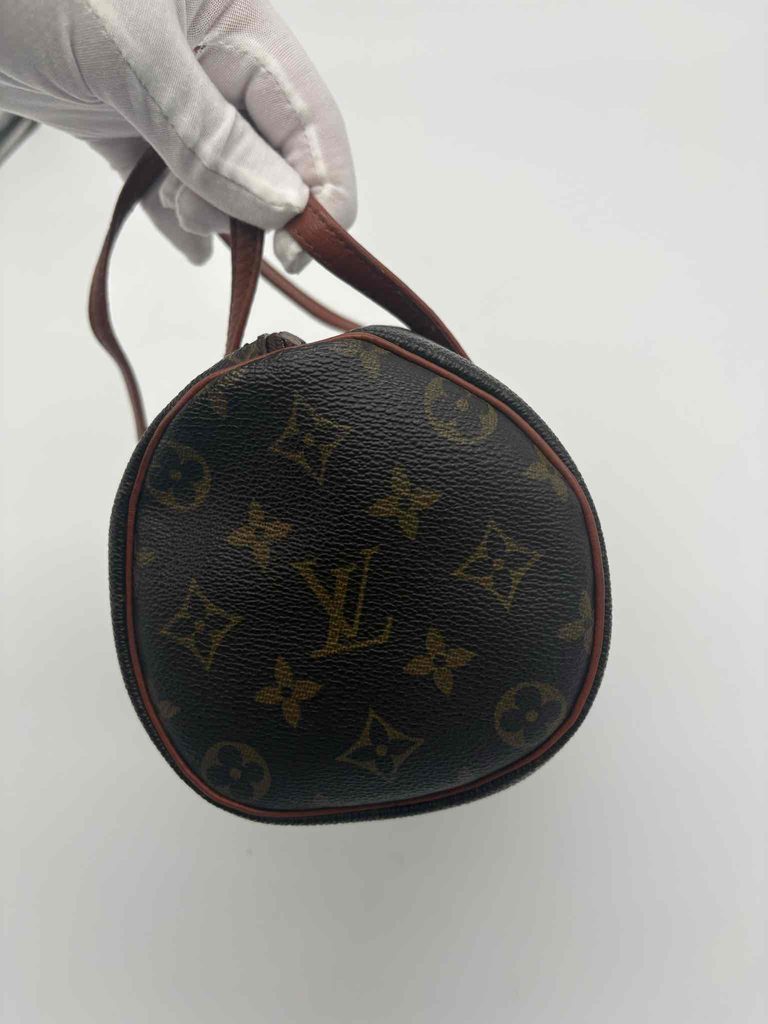
Hardware is one of the fastest tells for an experienced authenticator, and also one of the easiest for buyers to check themselves. Genuine hardware is made from solid metal, so it has real heft to it, counterfeit hardware often feels noticeably lighter or hollow. Finish matters too: authentic plating holds up over time without flaking or showing brassy undertones where the plating has worn.
Engravings on genuine hardware are deep, crisp, and evenly spaced. On fakes, engravings are frequently shallow, slightly blurry, or inconsistently spaced compared to the brand’s actual font and layout.
Stitching: Count, Tension, and Technique
Stitching reveals a lot about how a bag was actually made. Some luxury houses, Hermès being the clearest example, hand-stitch using a saddle stitch technique where two needles cross through the same hole from opposite sides. Look closely and the stitching is slightly uneven, which is a sign of genuine handwork, not a flaw.
Machine-stitched brands are checked differently: stitch count per inch should be consistent, tension even, and thread color should match the leather trim precisely. Uneven spacing, loose threads, or a thread color that doesn’t quite match are common places where counterfeits fall short.
Material: Leather Grain, Canvas Weave, and Aging Pattern
Every material a luxury brand uses has a signature look and feel that’s difficult to fake convincingly. Leather grain patterns, for example, vary by leather type, a grainy pebbled leather and a smooth structured leather should each look and feel distinct. Canvas should be woven, not printed, printed monogram canvas is a common shortcut counterfeiters take because it’s cheaper and faster to produce.
Authenticators also check how a material ages. Vachetta leather trim, for instance, should darken naturally over time with a specific warm tone, a leather that ages the wrong way, or doesn’t age at all, is worth a second look.
Logo and Stamp Accuracy
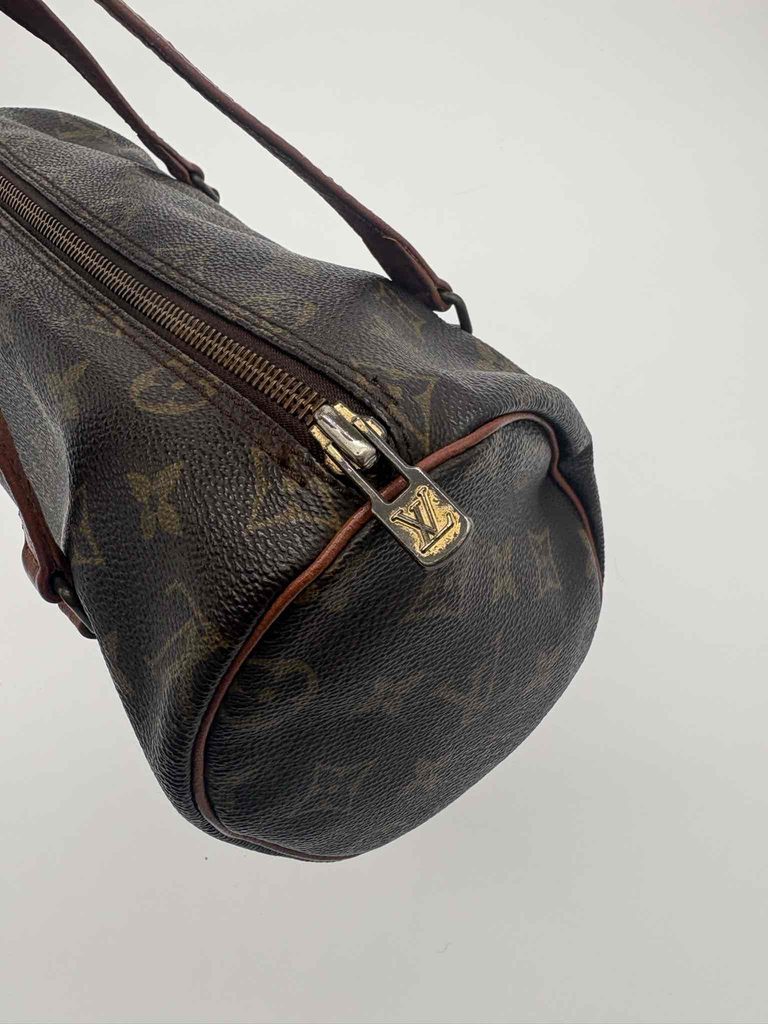
This is often the most detail-sensitive check in the entire process. Font weight, letter spacing, and stamp depth all need to match the brand’s actual specifications exactly. A logo that’s slightly too bold, spaced too wide, or embossed too shallow is frequently the first thing an experienced eye catches, even before checking anything else.
Serial Numbers, Date Codes, and Stamps
How this works depends entirely on the brand. Louis Vuitton uses date codes, Hermès uses blind stamps, and other brands use their own serial number systems entirely. None of these should be treated as proof on their own, a valid-looking code doesn’t guarantee authenticity, since counterfeiters increasingly copy real codes onto fake bags. It’s one input among several, not a final verdict.
If you’re checking a specific brand, our guides go into exactly how each one works: Louis Vuitton date codes, Hermès blind stamps, and other brand-specific systems.
Packaging and Accessories
Packaging gets overlooked by a lot of buyers, but authenticators check it closely. Dust bags should be made from the correct material and weight, with stitching that matches the brand’s actual quality standard, not a flimsy drawstring bag. Boxes, care cards, and other included materials should match what that brand actually ships with that specific item, since these details are often an afterthought for counterfeiters focused on the bag itself.
Why No Single Check Is Enough
This is the part that separates a quick self-check from a professional authentication. A well-made counterfeit can get the hardware right. It can get the stitching right. It can even copy a real serial number. What’s extremely difficult to do is get all six areas right at once, consistently, across every detail.
That’s the actual value professional authentication provides: not one clever test, but cross-referencing everything together, hardware against stitching against material against the codes against the packaging, until the full picture either holds together or doesn’t.
FAQ
How long does professional authentication take?
This varies by service, but most modern authentication services can turn around a result from photos within a day or two, rather than requiring you to ship the item in first.
What’s the difference between checking it myself and professional authentication?
A self-check can catch obvious red flags, but professional authenticators are trained on brand-specific details, have handled large volumes of both genuine and counterfeit items, and cross-reference multiple checks rather than relying on any single one.
Get a Professional Opinion
Checking a bag yourself is a good first step, but the checks above take training and comparison experience to do reliably. Our authenticators go through this exact six-point process on every item and issue a verifiable certificate of authenticity once it’s confirmed genuine.